
In the post-film era, digital cameras that are about or more than 10 to 15 years old, built with technology that has been replaced or is considered outdated, may also fall into this category.
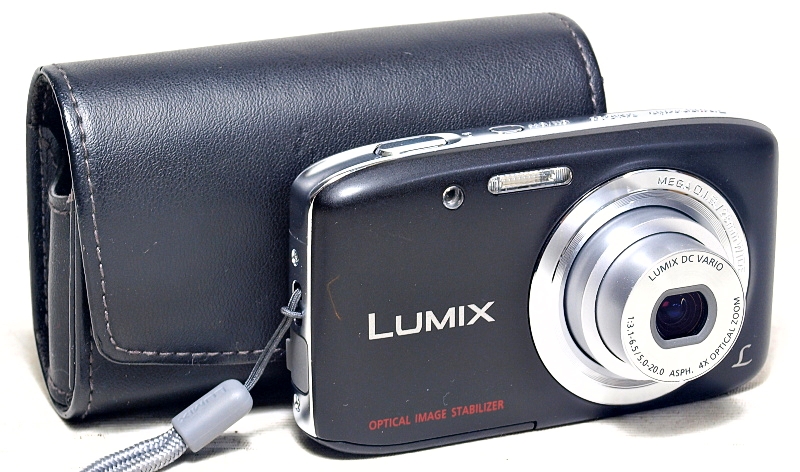
This is where I placed the Panasonic Lumix DMC-S5 I bought recently, on a whim, as a potential replacement for my other favorite ultra-compact, the Nokia Asha 300—a cell-phone camera I used as my go-to for morning walks or quick outings.

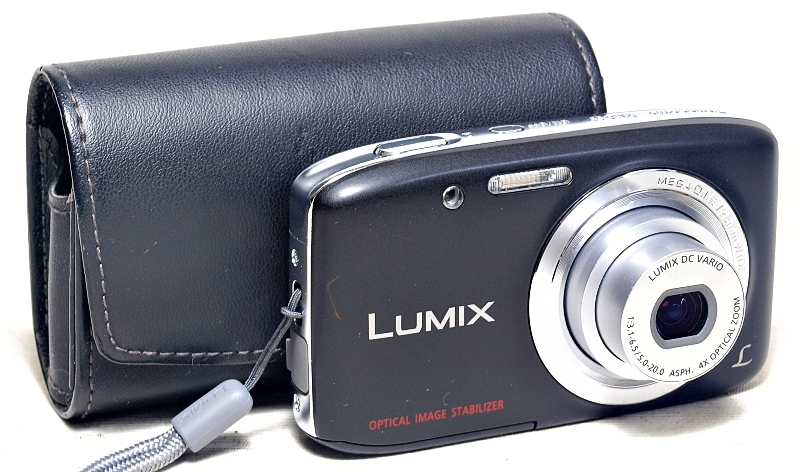
The Panasonic Lumix DMC-S5, a 2012 production of an ultra-compact digital camera that came with a 16MP CCD sensor and a 28-112mm 4X optical zoom lens, has very diminutive dimensions of only 98 x 57 x 21 mm, and weighs 112 grams (with batteries).

The camera is as good as it gets, almost pristine, works perfectly, and comes in its original box, with a battery, charger, data transfer cable, a faux-leather pouch for the camera, and an installation CD-ROM. Costs me just US$15 to get it. To top it off, the camera has a tripod socket, which was very convenient for me to use.
A New Use
Where the camera is excellent, however, is on my side-hustle site: a blog where I do camera reviews and vintage lens tests, and an online Camera Marketplace where I list used film and digital cameras, and other photography accessories for sale. Each item for sale is accompanied by a few images that were dutifully recorded of the product itself.


I have always used a DSLR for these session shots, both for previews and for product sales. The decision to use the DMC-S5 was on a test basis, and I was quite taken when the images of the products, taken within the limitations of the camera's capability, without flash, were better than expected.


One disadvantage that I have with the setup on the DMC-S5, I do not have control over the exposure setting that the camera sets itself to. Images were shot with a Normal Picture mode with a 1-stop overexposure setting. The images were transferred for post-processing with Tone Correction, Crop, Brightness & Contrast, and Unsharp Mask on the desktop image editor.


As I am not a professional seller nor a professional photographer, setting up a proper photo studio environment for the reviews and product shots was never a serious consideration. I have always worked on a normal tabletop with a propped background, a vertical plus other ambient light sources, and shutter speeds that automatically stay longer than 1/30 second, and the camera secured on a tripod.
The Bottom Line
You will have to understand that going vintage here is not about going for nostalgic looks or a vintage feel of the images captured, nor is it about using cameras that will cost you more to maintain and keep in working order.
It is all about the simple economics of making full use of a bypassed technology that is still valid, completely capable, and usable, at a fraction of the cost you would be expected to pay.


No comments:
Post a Comment